
- Home
- Blog
- LC-MS Sample Preparation Guide: Filtration, Vials, Inserts, and Best Practices for Reliable Results
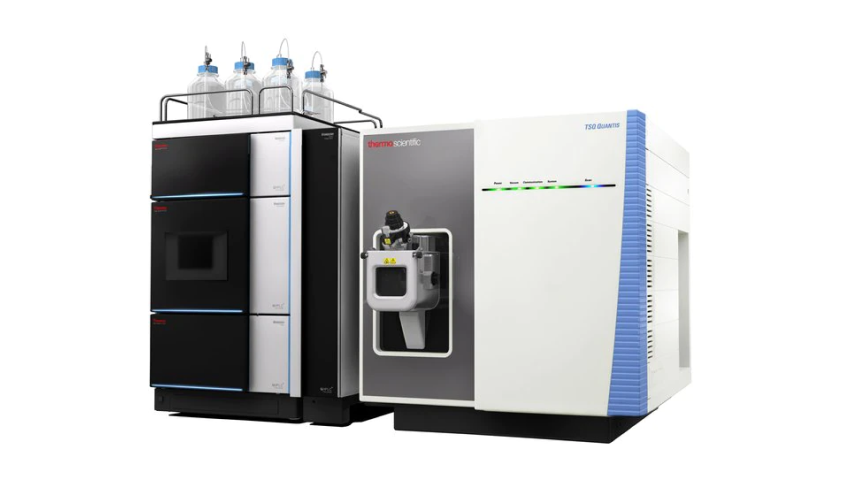
LC-MS Sample Preparation Guide: Filtration, Vials, Inserts, and Best Practices for Reliable Results
Posted by Maxi Scientific on Mar 16th 2026
Liquid chromatography–mass spectrometry (LC-MS) is one of the most powerful analytical techniques used in modern laboratories. From pharmaceutical analysis and environmental testing to metabolomics and food safety, LC-MS systems provide extremely sensitive detection of chemical compounds.
However, LC-MS instruments are also very sensitive to sample preparation problems. Poor sample prep can cause issues such as:
-
clogged injector needles
-
high system pressure
-
ion suppression
-
contamination of the MS source
-
reduced column lifetime
-
inconsistent peak intensity
Because of this, proper LC-MS sample preparation is critical for reliable analytical results.
This guide explains how to prepare samples for LC-MS analysis, including filtration strategies, vial selection, inserts, solvent considerations, and common mistakes that affect mass spectrometry performance.
LC-MS Sample Preparation Cheat Sheet
| Step | Recommendation | Why It Matters |
|---|---|---|
| Filter samples | 0.22 µm syringe filter | Removes fine particles |
| Choose correct membrane | PTFE, PVDF, or RC | Prevents analyte loss |
| Use clean autosampler vials | 2 mL LC-MS vials | Prevents contamination |
| Use inserts for small samples | Glass conical inserts | Ensures needle access |
| Degas solvents | Remove dissolved gases | Improves injection accuracy |
Following these steps helps ensure consistent LC-MS performance.
Why Sample Preparation Matters in LC-MS
LC-MS systems combine two highly sensitive analytical technologies:
-
Liquid chromatography (LC) for separating compounds
-
Mass spectrometry (MS) for detecting ions
Both systems rely on clean samples to operate correctly.
Even very small amounts of particulate matter or contamination can cause problems such as:
-
clogged ESI sources
-
unstable ion signals
-
noisy mass spectra
-
instrument contamination
Proper sample preparation reduces these risks.
Step 1: Filtering LC-MS Samples
One of the most important steps in LC-MS sample preparation is sample filtration.
Filtering removes particles that could block:
-
autosampler needles
-
injection valves
-
LC columns
Recommended Filter Pore Size for LC-MS
Most laboratories use 0.22 µm syringe filters for LC-MS sample preparation.
This pore size removes fine particles that might interfere with sensitive mass spectrometry detection.
In some cases, 0.45 µm filters may be used for relatively clean samples, but 0.22 µm filtration is generally preferred.
Choosing the Right Syringe Filter Membrane
Different membranes interact differently with samples.
Selecting the correct membrane prevents analyte loss or contamination.
PTFE Filters
PTFE filters are commonly used for LC-MS because they tolerate a wide range of organic solvents.
Compatible Solvents
-
acetonitrile
-
methanol
-
isopropanol
-
DMSO
PTFE filters are often used when samples contain organic solvents.
PVDF Filters
PVDF membranes provide low protein binding, making them ideal for biological samples.
Common Applications
-
metabolomics
-
proteomics
-
biological extracts
Regenerated Cellulose Filters
Regenerated cellulose membranes work well with mixed aqueous and organic solvents.
This makes them useful for LC-MS samples that contain solvent mixtures.
Step 2: Choosing the Right LC-MS Vials
LC-MS autosamplers typically use 2 mL autosampler vials with 12 × 32 mm dimensions.
Using high-quality vials helps ensure reliable injections.
Clear vs Amber LC-MS Vials
Two common vial types are used in LC-MS workflows.
Clear Glass Vials
Clear vials are suitable for most routine LC-MS analyses.
Advantages include:
-
chemical resistance
-
easy visual inspection
Amber Glass Vials
Amber vials protect light-sensitive compounds from degradation.
They are often used for:
-
pharmaceuticals
-
environmental samples
-
light-sensitive metabolites
Step 3: Using Vial Inserts for Small Sample Volumes
When sample volume is limited, vial inserts help ensure the autosampler needle can reach the sample.
Common insert types include:
| Insert Type | Best Use |
|---|---|
| Conical insert | very small sample volumes |
| Flat-bottom insert | general use |
| Polymer insert | reduced breakage risk |
Conical inserts concentrate small volumes at the bottom of the vial, making injections easier.
Step 4: Choosing the Right Caps and Septa
Autosampler caps contain septa that seal the vial while allowing the needle to pierce through.
Common septa materials include:
-
PTFE/silicone
-
PTFE/rubber
-
multi-layer PTFE laminates
High-quality septa prevent:
-
sample evaporation
-
septum coring
-
contamination
Step 5: Degassing LC-MS Samples
Air bubbles can interfere with accurate injections and cause unstable signals.
Degassing solvents helps eliminate these problems.
Common degassing methods include:
-
vacuum degassing
-
sonication
-
helium sparging
Many LC systems also include built-in degassers.
Avoiding Ion Suppression in LC-MS
Ion suppression occurs when certain compounds interfere with ionization efficiency in the mass spectrometer.
Poor sample preparation can contribute to this issue.
Strategies to reduce ion suppression include:
-
using clean solvents
-
filtering samples thoroughly
-
minimizing salts in samples
Proper cleanup improves signal quality.
Preventing LC-MS Contamination
Contamination in LC-MS systems can be difficult to remove once it enters the instrument.
Common contamination sources include:
-
plasticizers from low-quality consumables
-
particles from septa
-
impurities in solvents
Using high-quality chromatography consumables helps prevent contamination.
Common LC-MS Sample Preparation Mistakes
Even experienced laboratories sometimes encounter problems due to simple preparation errors.
Skipping Filtration
Unfiltered samples can clog needles and damage columns.
Filtration should always be performed unless the sample is known to be particle-free.
Using Incompatible Membranes
Some membranes may bind analytes or degrade in certain solvents.
Choosing the correct filter membrane prevents sample loss.
Using Low-Quality Vials
Poorly manufactured vials may introduce contaminants that interfere with mass spectrometry.
High-quality chromatography vials help avoid this problem.
A Simple LC-MS Sample Prep Workflow
A basic workflow for LC-MS sample preparation includes:
-
Prepare sample in compatible solvent
-
Filter sample using 0.22 µm syringe filter
-
Transfer to 2 mL autosampler vial
-
Use insert if sample volume is small
-
Seal vial with PTFE-lined cap
Following this process helps ensure consistent injections.
Final Thoughts
LC-MS instruments provide extremely powerful analytical capabilities, but they require careful sample preparation to perform reliably.
Key steps include:
-
filtering samples with appropriate syringe filters
-
selecting high-quality autosampler vials
-
using inserts for small sample volumes
-
minimizing contamination
By following these practices, laboratories can improve LC-MS performance and extend the life of their chromatography systems.
If you ever need help selecting LC-MS consumables or sample preparation supplies, feel free to reach out.
At Maxi Scientific, we focus on making lab procurement simpler by offering:
-
No hidden fees. EVER!
-
Free ground shipping
-
consistently high product quality
-
fast responses from a real human
If you're comparing chromatography consumables or sample preparation supplies, we’re always happy to help labs find the right solutions!