
- Home
- Blog
- Autosampler Troubleshooting Guide: Fixing Clogs, Carryover, and Injection Problems in HPLC and LC-MS Systems
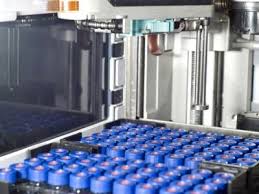
Autosampler Troubleshooting Guide: Fixing Clogs, Carryover, and Injection Problems in HPLC and LC-MS Systems
Posted by Maxi Scientific on Mar 16th 2026
Autosamplers are one of the most important components of modern chromatography systems. Whether you're running HPLC, UHPLC, or LC-MS, the autosampler is responsible for delivering precise injection volumes with consistent reproducibility.
When autosamplers work properly, they allow laboratories to run long sequences of samples with minimal intervention. But when something goes wrong, the entire analytical workflow can grind to a halt.
Common autosampler problems include:
-
clogged needles
-
carryover between injections
-
missed injections
-
injection volume errors
-
vial alignment issues
This troubleshooting guide explains the most common autosampler problems and how to fix them, helping laboratories restore reliable performance quickly.
Quick Autosampler Troubleshooting Cheat Sheet
| Problem | Possible Cause | Solution |
|---|---|---|
| High system pressure after injection | Needle clog | Clean or replace needle |
| Carryover between samples | Contaminated needle or seat | Flush system or replace needle seat |
| Missed injections | Vial misalignment | Check vial tray alignment |
| Inconsistent peak area | Air bubbles or leaks | Inspect tubing and seals |
| Needle crashes into vial | Incorrect vial type | Use standard 2 mL autosampler vials |
This quick reference helps identify common autosampler issues.
Understanding How Autosamplers Work
Autosamplers are designed to perform several precise steps during each injection cycle.
A typical injection sequence includes:
-
needle moves to sample vial
-
needle pierces septum
-
sample is aspirated
-
sample loop is filled
-
injection valve introduces sample into mobile phase
Because these steps involve small volumes and precise mechanical movements, even small problems can disrupt the injection process.
Autosampler Needle Clogs
One of the most common autosampler problems is needle clogging.
Clogs occur when particles enter the injection system and block the needle or sample loop.
Symptoms of Needle Clogging
-
increased system pressure after injection
-
missing peaks in chromatograms
-
partial or inconsistent injections
Common Causes
-
samples not properly filtered
-
particulate matter in solvents
-
contamination from vial septa
Solutions
-
filter samples using 0.22 µm or 0.45 µm syringe filters
-
flush the autosampler needle with strong solvent
-
clean or replace the needle
Proper sample filtration before injection is the best prevention strategy.
Autosampler Carryover
Carryover occurs when residue from one sample contaminates the next injection.
This problem can lead to false peaks and inaccurate results.
Signs of Carryover
-
peaks appearing in blank injections
-
ghost peaks in chromatograms
-
unexpected analyte signals
Causes
-
contaminated needle
-
contaminated needle seat
-
insufficient needle wash
Solutions
-
increase needle wash time
-
use stronger wash solvents
-
clean or replace the needle seat
Many systems allow adjustment of needle wash cycles to reduce carryover.
Missed Injections
Autosamplers sometimes fail to inject a sample during a sequence.
Symptoms
-
flat chromatograms
-
missing peaks
-
autosampler error messages
Possible Causes
-
empty vial
-
incorrect vial position
-
autosampler mechanical error
Solutions
-
confirm vial tray alignment
-
ensure vials are filled with sufficient sample
-
inspect autosampler movement
Ensuring the correct vial placement and tray orientation often resolves this issue.
Injection Volume Inconsistency
Accurate injection volumes are critical for reliable quantitative analysis.
If injection volumes vary, chromatographic peak areas may fluctuate.
Symptoms
-
inconsistent peak areas
-
poor reproducibility between injections
Possible Causes
-
air bubbles in the sample loop
-
leaks in tubing connections
-
worn autosampler seals
Solutions
-
degas solvents
-
inspect tubing connections
-
replace worn seals or valves
Routine maintenance helps prevent these issues.
Needle Crashes and Vial Problems
Occasionally the autosampler needle may crash into the vial or fail to enter the vial correctly.
Causes
-
incorrect vial dimensions
-
damaged vial tray
-
incorrect autosampler configuration
Prevention
Most systems require standard 2 mL autosampler vials with 12 × 32 mm dimensions.
Using non-standard vials may cause needle alignment issues.
Septum Problems
The septum in autosampler caps allows the needle to pierce the vial while maintaining a seal.
However, septa can sometimes cause problems.
Septum Coring
Low-quality septa may shed small particles when pierced repeatedly.
These particles can clog the autosampler needle.
Prevention
Use high-quality septa with PTFE layers, which resist coring.
Air Bubbles in Autosampler Systems
Air bubbles can interfere with accurate injections.
Symptoms
-
inconsistent injection volumes
-
irregular chromatographic peaks
Causes
-
poorly degassed solvents
-
leaks in autosampler tubing
Solutions
-
degas mobile phases
-
purge the autosampler system
Removing air from the system restores consistent performance.
Autosampler Maintenance Tips
Regular maintenance helps prevent many autosampler problems.
Recommended practices include:
-
filtering samples before injection
-
using high-quality autosampler vials
-
cleaning needles regularly
-
inspecting seals and fittings
Routine cleaning of the injection system improves reliability.
Sample Preparation Best Practices
Many autosampler problems originate from poorly prepared samples.
Following these best practices reduces instrument issues.
Filter Samples
Remove particulates using syringe filters before injection.
Use Compatible Vials
Use standard autosampler vials designed for chromatography systems.
Avoid Overfilling Vials
Excess sample can interfere with needle movement.
When to Replace Autosampler Components
Certain components wear over time and require replacement.
Common wear parts include:
-
autosampler needles
-
needle seats
-
seals
-
sample loops
Replacing worn components prevents performance issues.
Final Thoughts
Autosampler issues can disrupt chromatography workflows and lead to unreliable analytical results. Fortunately, many problems have straightforward solutions.
Common troubleshooting steps include:
-
filtering samples properly
-
cleaning autosampler needles
-
checking vial compatibility
-
maintaining injection components
By following these practices, laboratories can maintain reliable autosampler performance and reduce downtime.
If you ever need help selecting chromatography consumables or troubleshooting sample preparation workflows, feel free to reach out.
At Maxi Scientific, we focus on making lab procurement simpler by offering:
-
No hidden fees. EVER!
-
Free ground shipping
-
consistently high product quality
-
fast responses from a real human
If you're comparing chromatography consumables or troubleshooting sample preparation supplies, we’re always happy to help labs find the right solutions!